Expert Guide to Shower Tile Installation
Selecting durable and water-resistant tiles is essential for a long-lasting shower.
Proper surface prep ensures tiles adhere well and prevents future damage.
Follow precise layout and spacing techniques for a professional finish.
Effective sealing protects tiles from moisture and prevents mold growth.
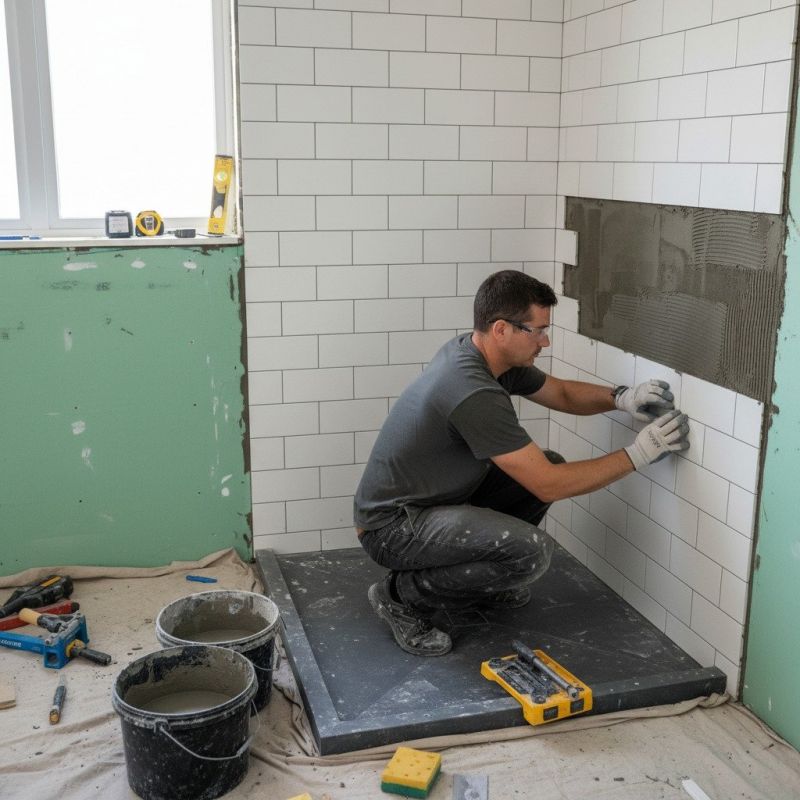
A sleek shower with large format tiles creating a seamless look.
Intricate mosaic designs add texture and visual interest.
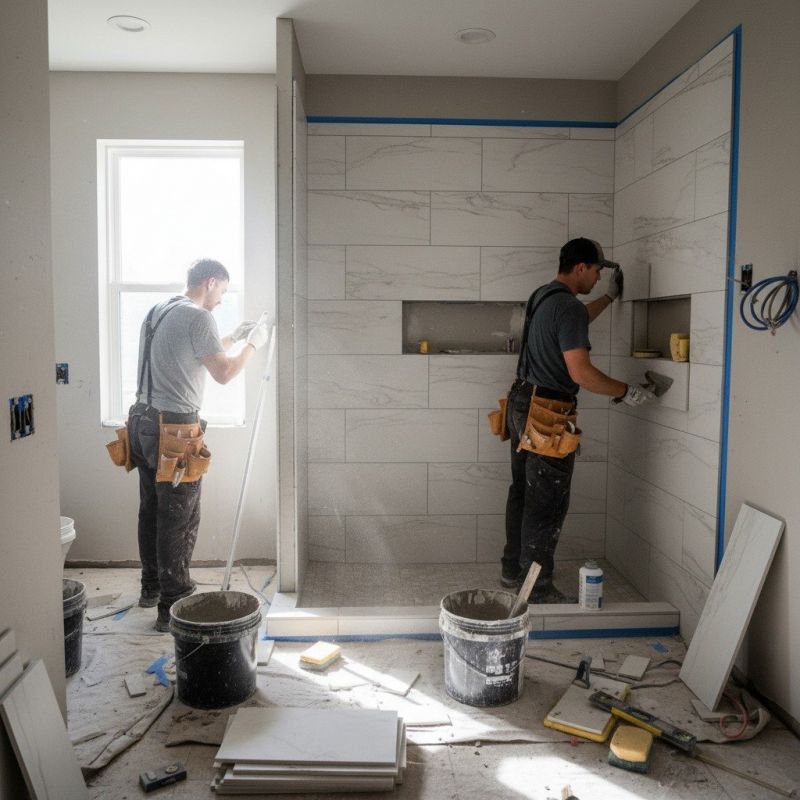
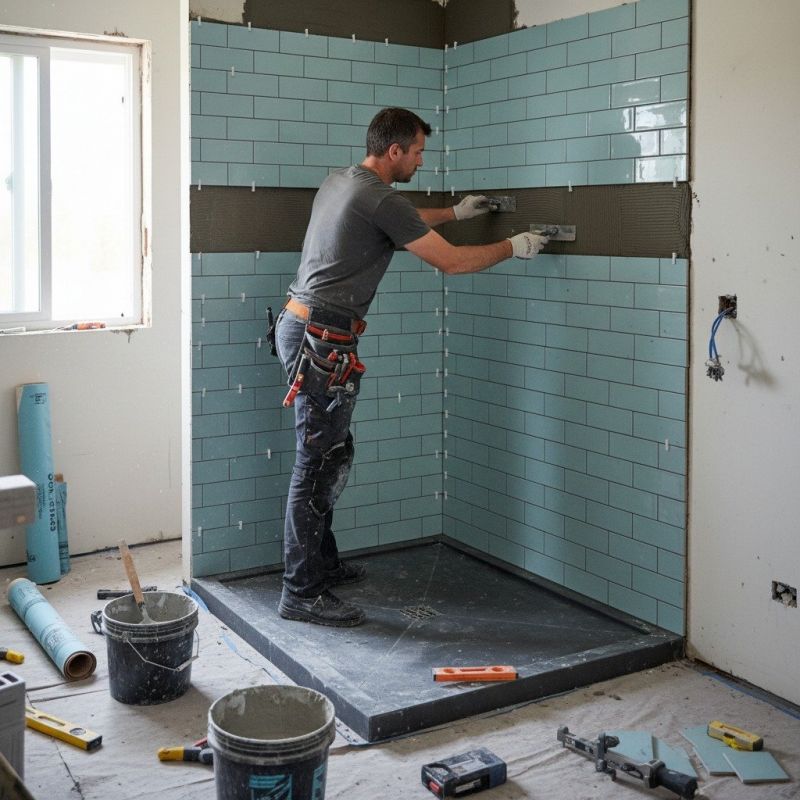
Step-by-step view of tiles being laid on a shower wall.
| Material Type | Advantages |
|---|---|
| Ceramic | Affordable, easy to clean, versatile designs |
| Porcelain | Highly water-resistant, durable, suitable for high-moisture areas |
| Glass | Creates a modern look, reflects light, easy to maintain |
| Natural Stone | Unique appearance, adds luxury, requires sealing |
| Mosaic | Customizable patterns, ideal for accent walls |
Proper tile installation enhances the aesthetic appeal and functionality of your shower. Ensuring precise measurements and correct adhesive application prevents issues like cracking or water infiltration.
Skipping surface prep or rushing grout can compromise the shower's integrity.
Regular cleaning and resealing prolong tile lifespan and keep the shower looking new.
Tiling trowel, level, spacers, grout float, and sealant are essential tools.
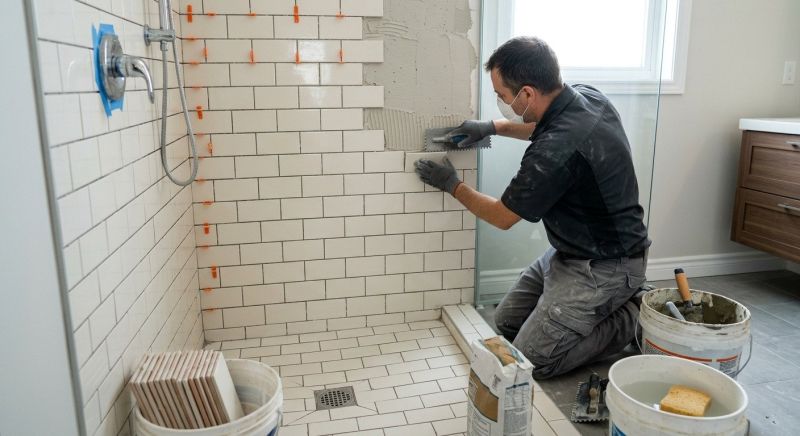
Ways to make Shower Installation - Tiles work in tight or awkward layouts.
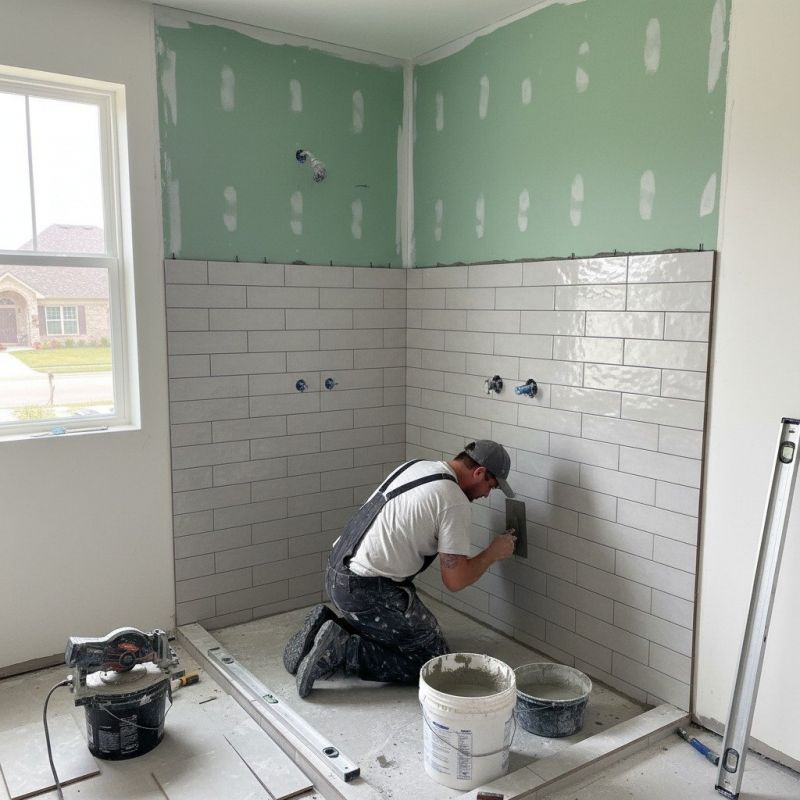
Proper sealing prevents water damage and mold growth.
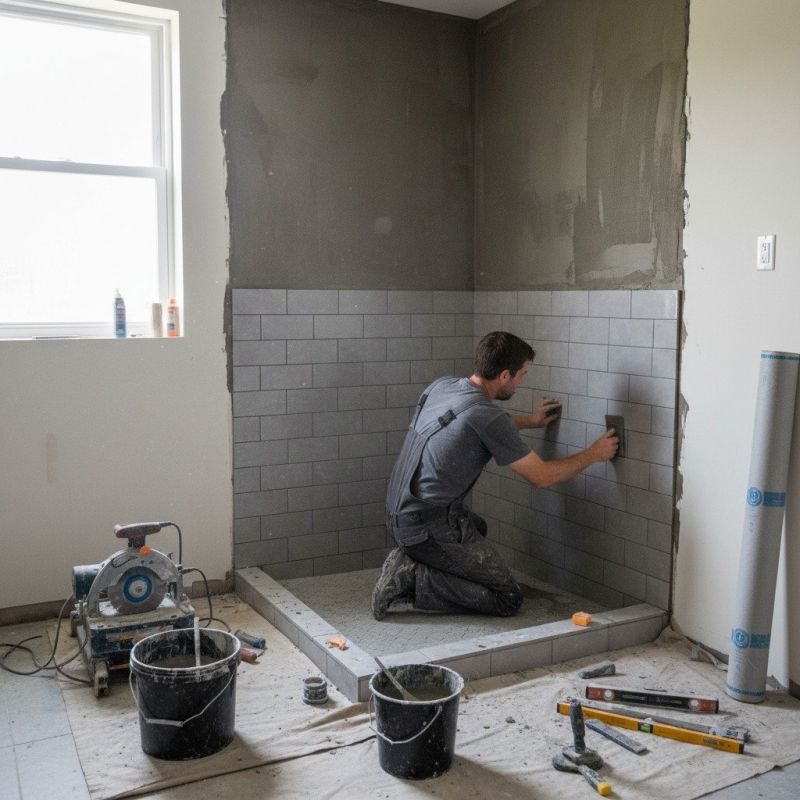
Ensures a smooth transition and professional look.
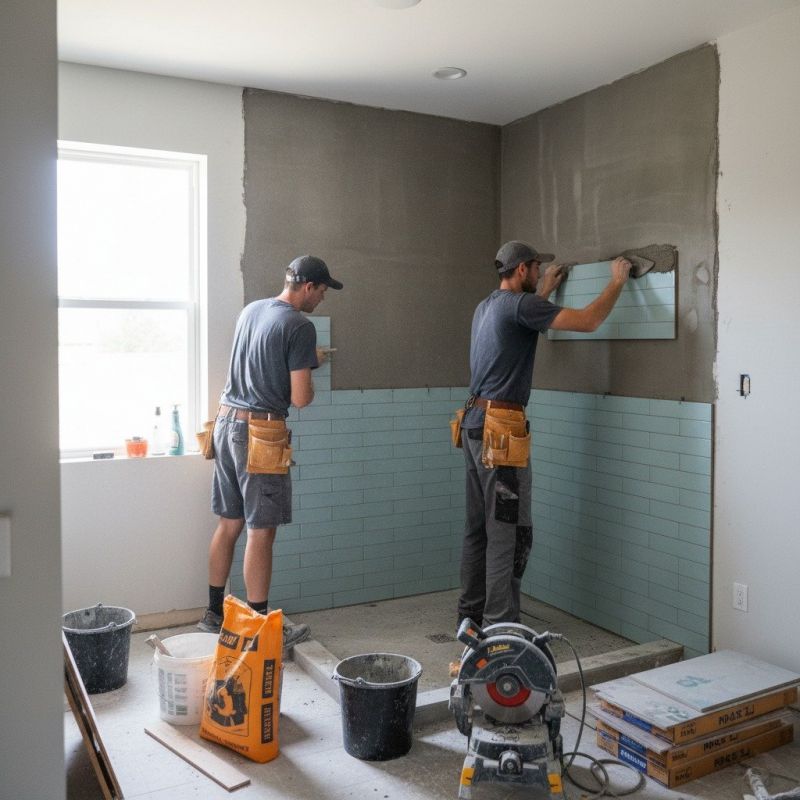
A clean, polished shower ready for use.
Choosing quality materials and following best practices in installation ensures a durable and visually appealing shower space.
Deciding between hiring experts or doing it yourself depends on skill level and project scope.
Bold patterns, textured tiles, and neutral tones are popular choices.
Investing in quality tiles and proper installation techniques results in a stunning and long-lasting shower environment.